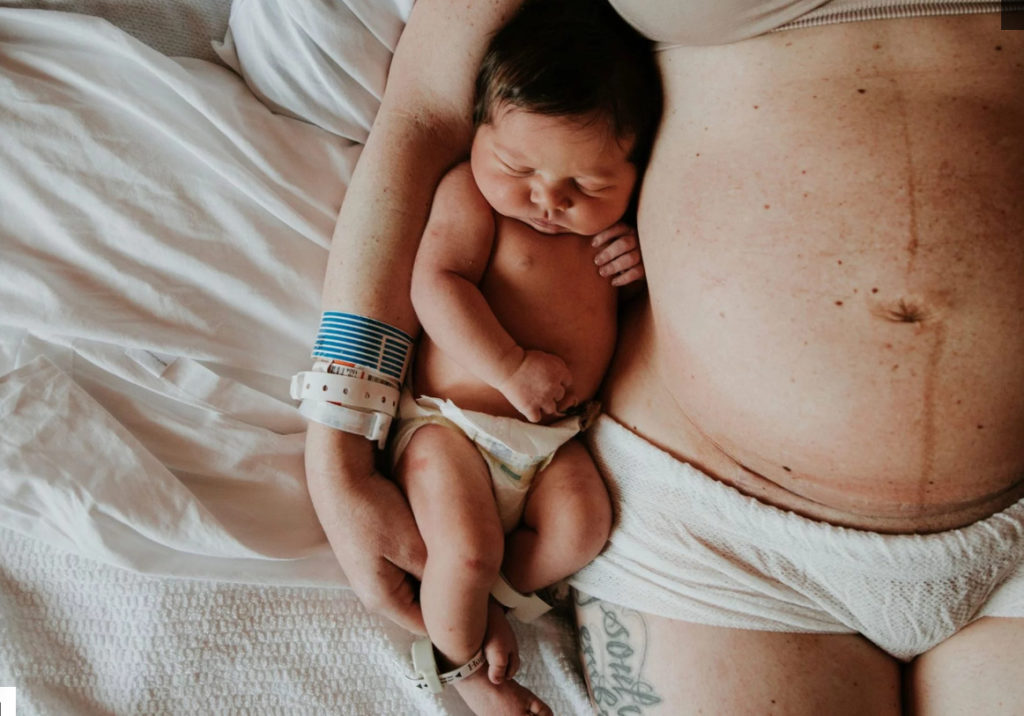
The transition to motherhood is often framed as a period of blissful transformation. While many women do experience profound joy, this season of life is also defined by intense hormonal shifts, extreme sleep deprivation, and the overwhelming responsibility of caring for a newborn. It is entirely normal to feel exhausted, tearful, or anxious during the “fourth trimester.”
However, there is a distinct difference between the common “baby blues” and clinical postpartum depression (PPD). Understanding these differences is not just a matter of health education—it is a critical step in prioritizing your long-term wellness. If you find yourself struggling, please remember that your mental emotional health is just as vital as your baby’s physical well-being.
Defining the “Baby Blues” vs. Postpartum Depression
Many new mothers experience the “baby blues” in the first few days or weeks after delivery. This typically includes mood swings, irritability, crying spells, and anxiety. These feelings generally arise within 2-3 days of birth and resolve on their own within two weeks.
Postpartum depression, however, is a more serious, longer-lasting condition. It can happen anytime within the first year after birth. According to the National Institute of Mental Health (NIMH), PPD is not a character flaw or a weakness; it is a medical complication that requires professional support.
Common Signs and Symptoms
While every woman’s experience is unique, keep an eye out for these persistent symptoms:
- Persistent Sadness: Feeling overwhelmed, hopeless, or empty for the majority of the day, nearly every day.
- Loss of Interest: No longer finding joy in activities you once loved or feeling a sense of detachment from your baby.
- Physical Exhaustion: Extreme fatigue that doesn’t improve with rest, often coupled with sleep disturbances that aren’t solely caused by your newborn.
- Appetite Changes: Significant loss of appetite or, conversely, overeating.
- Intense Anxiety: Excessive worry about the baby’s health or safety, or feeling “on edge” constantly.
- Difficulty Concentrating: Feeling mentally “foggy” or struggling to make simple daily decisions.
Why Seeking Help Is a Strength
There is often a lingering stigma that suggests a “good mother” should be able to handle everything on her own. This couldn’t be further from the truth. PPD is caused by a complex combination of physical, emotional, and social factors—including a massive drop in reproductive hormones, sleep deprivation that affects brain chemistry, and the massive lifestyle adjustment of postpartum life.
Asking for help is the most proactive step you can take for your family. When a mother is supported, the entire household thrives.
What You Can Do Immediately
If you feel that you may be struggling with PPD, start by taking these steps:
- Contact Your Healthcare Provider: Your OB-GYN, midwife, or primary care physician is your first line of defense. They are trained to screen for PPD and can provide referrals to therapists or suggest medication if necessary.
- Speak to Your Support System: Do not suffer in silence. Reach out to a partner, a trusted friend, or a family member. Simply verbalizing your feelings can alleviate some of the weight.
- Prioritize Small Comforts: While self-care cannot “cure” PPD, establishing a supportive home lifestyle can create a safer space for you. If a task isn’t essential, let it go. Focus only on what is strictly necessary for your and your baby’s survival.
Navigating the Daily Demands
It is easy to get caught up in the “perfect parenting” narrative, especially when you are exhausted from newborn care. However, the pressure to “do it all”—from managing breastfeeding to keeping the house spotless—can exacerbate feelings of inadequacy.
If you are struggling to find a rhythm, lean on the resources available to you. Understanding that the first few months are a marathon, not a sprint, can help mitigate the pressure. For instance, if you are finding the physical demands of feeding or soothing particularly taxing, checking our FAQ might provide some simple strategies to streamline your day and reduce stress.
When It Is a Medical Emergency
While most cases of PPD are managed through therapy and support, there is a rare condition known as postpartum psychosis. This is a medical emergency that requires immediate intervention. If you or a loved one experience any of the following, seek emergency help right away:
- Confusion or loss of touch with reality.
- Hallucinations or delusions.
- Thoughts of harming yourself or your baby.
If you are in immediate crisis, please call or text 988 in the United States and Canada, or contact your local emergency services.
You Are Not Alone
Recovery from postpartum depression is not only possible; it is the standard. With the right combination of professional treatment—which may include cognitive-behavioral therapy, support groups, or medication—most women begin to feel like themselves again.
Remember that reaching out for help is a sign of immense courage. It shows that you are putting your health first, which is the most effective way to be the parent you want to be.
If you aren’t sure where to start, you are always welcome to contact our team for guidance on finding local resources or support networks in your area. You do not have to walk this path alone. By acknowledging the signs early and seeking the support you deserve, you are taking the most important step toward healing and enjoying these early, transformative years with your child.
Disclaimer: This blog post is for informational purposes only and does not constitute professional medical, psychiatric, or psychological advice. If you suspect you have postpartum depression, please contact your healthcare provider immediately.
Are you or a loved one currently feeling overwhelmed, and are you looking for guidance on how to start the conversation with your healthcare provider?