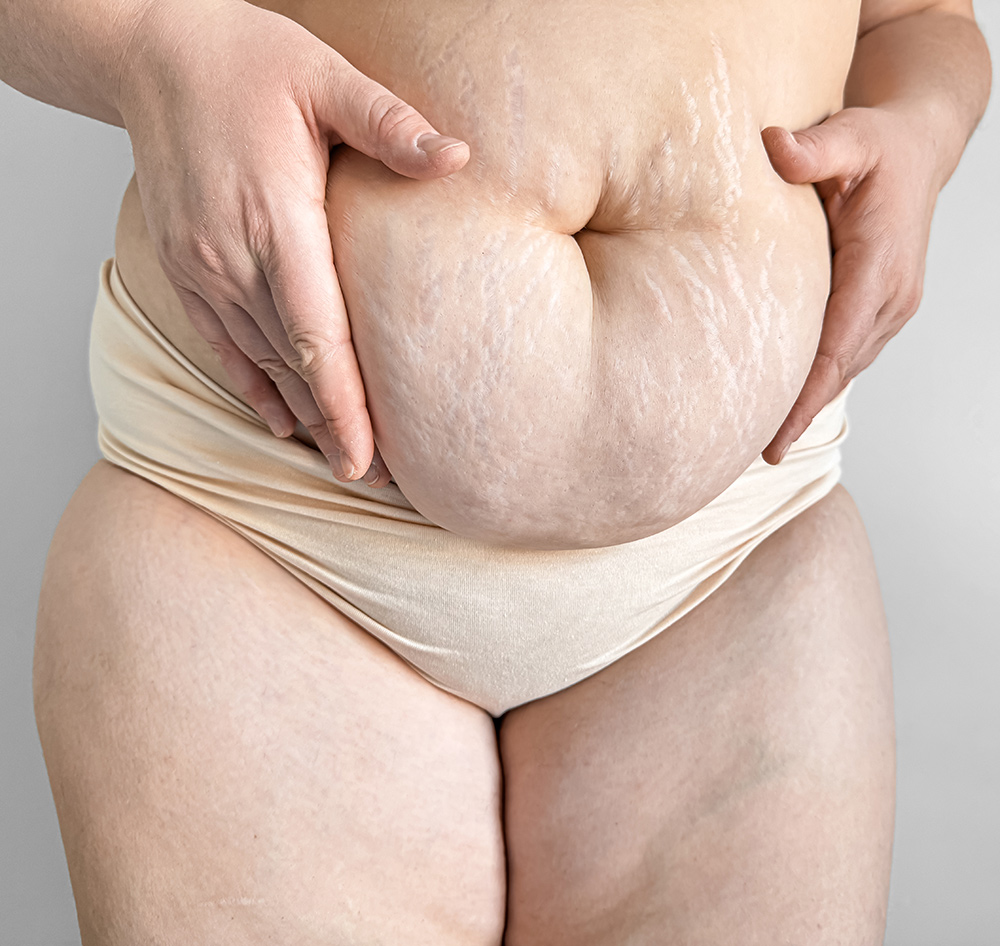
The arrival of a newborn is one of life’s most profound transitions. While much of the pregnancy journey focuses on the birth itself, the period immediately following—often called the “fourth trimester”—is where the real adjustment begins. Those first six weeks after birth are a whirlwind of physical recovery, hormonal fluctuations, emotional shifts, and the steep learning curve of caring for a tiny human.
If you are feeling overwhelmed, exhausted, or unsure of what is “normal,” please know that you are not alone. This period is a major life event, and giving yourself grace is the first step toward navigating it successfully.
The Physical Recovery: Your Body’s Healing Phase
In the immediate aftermath of birth, your body is working overtime. Whether you had a vaginal delivery or a cesarean section, your body has gone through a significant medical event.
The Immediate Days
In the first week, you may experience afterpains (cramping as your uterus shrinks back to its pre-pregnancy size), lochia (postpartum bleeding), and significant fatigue. If you had stitches or a C-section incision, keeping the area clean and resting as much as possible is non-negotiable. According to ACOG (The American College of Obstetricians and Gynecologists), postpartum care should be an ongoing process rather than a single encounter, emphasizing the need for continued monitoring during these initial weeks.
The Gradual Shift
By weeks three through six, most women notice the initial physical discomforts beginning to wane. However, “healing” does not mean you are back to your pre-pregnancy self overnight. Your pelvic floor needs time to recover, and your energy levels may still be erratic. Many moms find that focusing on gentle movement and proper nutrition helps stabilize their recovery. For more practical advice on managing your daily environment during this time, exploring our home lifestyle resources can offer helpful tips on creating a supportive healing space.
Navigating the Emotional Rollercoaster
It is common to hear about “the baby blues,” but the emotional spectrum of the first six weeks is much broader. You might feel immense joy one moment and deep tearfulness the next.
Why Feelings Fluctuate
Your hormones—specifically estrogen and progesterone—drop precipitously after the placenta is delivered. This hormonal crash, combined with sleep deprivation, creates the perfect storm for mood swings. It is vital to distinguish between the baby blues, which usually subside within two weeks, and postpartum depression (PPD). If you feel like you cannot cope, or if feelings of hopelessness persist, please reach out to a healthcare provider. Taking care of your mental emotional health is just as important as caring for your baby’s physical needs.
The Rhythm of Newborn Care
The first six weeks are often dictated by the baby’s schedule—or lack thereof. Newborns have tiny stomachs and need to eat frequently, which keeps most parents in a cycle of feeding, changing, and soothing around the clock.
Feeding and Nourishment
Whether you are breastfeeding, bottle-feeding, or a combination of both, the early weeks are about establishing a rhythm. It’s normal for your baby to have growth spurts during this time, leading to cluster feeding. If you’re finding the process challenging, remember that there is support available. Our guide on feeding nourishment breaks down some of the common hurdles new parents face in those early days.
Sleep Survival
“Sleep when the baby sleeps” is common advice, but often easier said than done. The goal during these first six weeks is not to achieve perfect sleep, but to master the art of sleep preservation. Prioritize rest whenever you can, and accept help from partners, family, or friends so you can get a few hours of uninterrupted rest. For specific strategies on managing the inevitable exhaustion, our sleep survival page offers actionable advice.
Finding Your Identity as a New Parent
Beyond the physical and logistical tasks, there is a profound identity shift occurring. You are learning to balance your own needs with the constant demands of a newborn. It is common to mourn your “old life” while simultaneously feeling overwhelmed by love for your child.
This period is not meant to be a solo endeavor. In many cultures, the postpartum period is marked by the presence of a support village. If you feel isolated, seek out local parenting groups, lactation consultants, or postpartum support groups. Connecting with others in your community can provide the validation you need to realize that you are doing a great job.
When to Call the Doctor
While most postpartum recovery follows a predictable path, there are red flags that require immediate medical attention. Do not hesitate to call your OB-GYN or midwife if you experience:
- Heavy vaginal bleeding (soaking more than one pad an hour).
- Signs of infection (fever, foul-smelling discharge, or redness/pus at an incision site).
- Severe headaches or vision changes (which can be signs of postpartum preeclampsia).
- Intense feelings of anxiety, panic, or thoughts of harming yourself or your baby.
Moving Forward: The Path to Six Weeks
As you approach the six-week mark, you will likely have your first postpartum checkup. This is a great time to discuss birth control, pelvic floor health, and any lingering concerns. By this point, many mothers find that they have found a “new normal.” You might be getting a bit more sleep, the baby may be becoming more alert, and you are likely feeling more confident in your parenting abilities.
The first six weeks are intense, demanding, and transformative. There is no “perfect” way to navigate them. You are allowed to be tired, you are allowed to ask for help, and you are allowed to prioritize your well-being.
As you navigate this journey, keep in mind that postpartum life is an evolving experience. Take it one day at a time, trust your instincts, and remember to be kind to yourself. You are doing the hard work of building a life—both for your child and for yourself.
Disclaimer: This blog post is for informational purposes only and does not constitute medical advice. Always consult with your healthcare provider for personalized medical guidance.