Home & Lifestyle
Managing Home Life with a Newborn
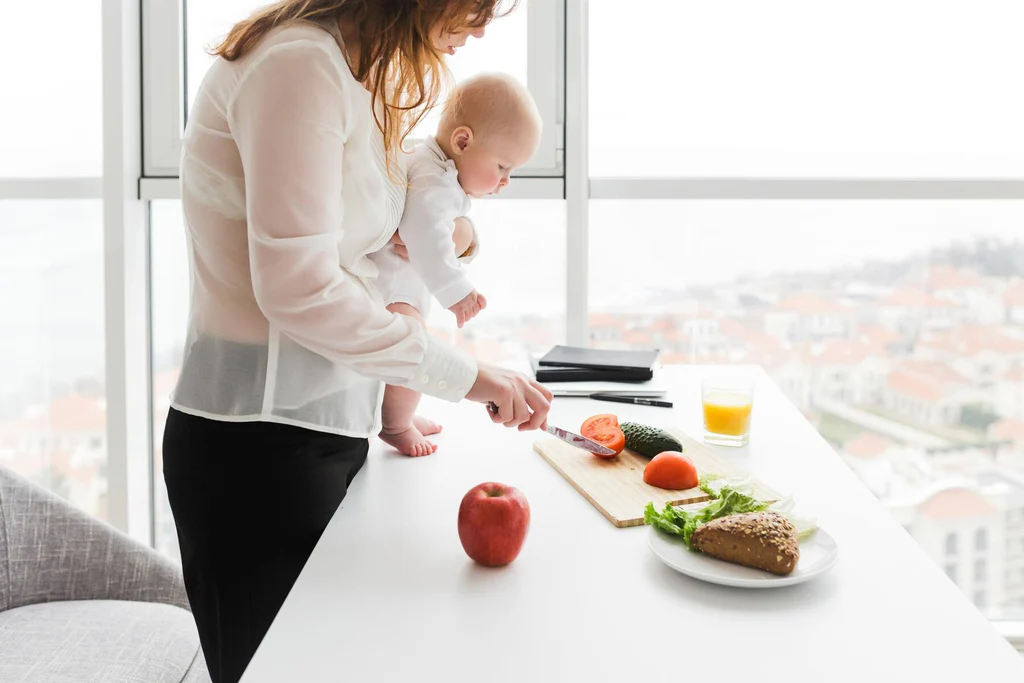
Life at home changes dramatically once a newborn arrives. Tasks that once felt simple — cooking, cleaning, answering messages — can suddenly feel overwhelming. This isn’t a failure of organization or effort. It’s a shift in capacity. Caring for a newborn requires constant attention, and home life needs to adapt to that reality.
Early on, the goal is not maintaining order, but maintaining function. Meals can be basic. Floors can wait. The most important outcomes are safety, nourishment, and rest. Letting go of pre-baby standards allows space for adjustment.
Newborns thrive in environments where caregivers are present, not perfect. Reducing expectations around household productivity protects energy for healing and bonding. Managing home life becomes less about doing everything and more about choosing what truly matters.
This mindset shift is often the hardest part — but also the most freeing.


Making Small Apartments Work with Baby Gear
Urban homes often mean limited space, shared rooms, and creative storage. Baby gear can quickly feel overwhelming in small apartments, but thoughtful boundaries help prevent clutter from taking over.
The “one drawer rule” is a simple strategy: dedicate one drawer, bin, or shelf to each category of baby items. When that space is full, it’s a cue to pause or rotate items rather than accumulate more. This keeps choices manageable and reduces mental overload.
Choosing multipurpose items, rotating toys, and storing less-used gear out of sight helps maintain calm. Function matters more than aesthetics.
A functional space supports mental health. When your environment feels manageable, daily life feels lighter.

Creating Calm: Baths, Laundry, and Sensory Overload
A calming home environment doesn’t require redesign — it comes from reducing sensory strain. Lower lighting in the evenings, quieter transitions, and consistent routines help both baby and parent regulate.
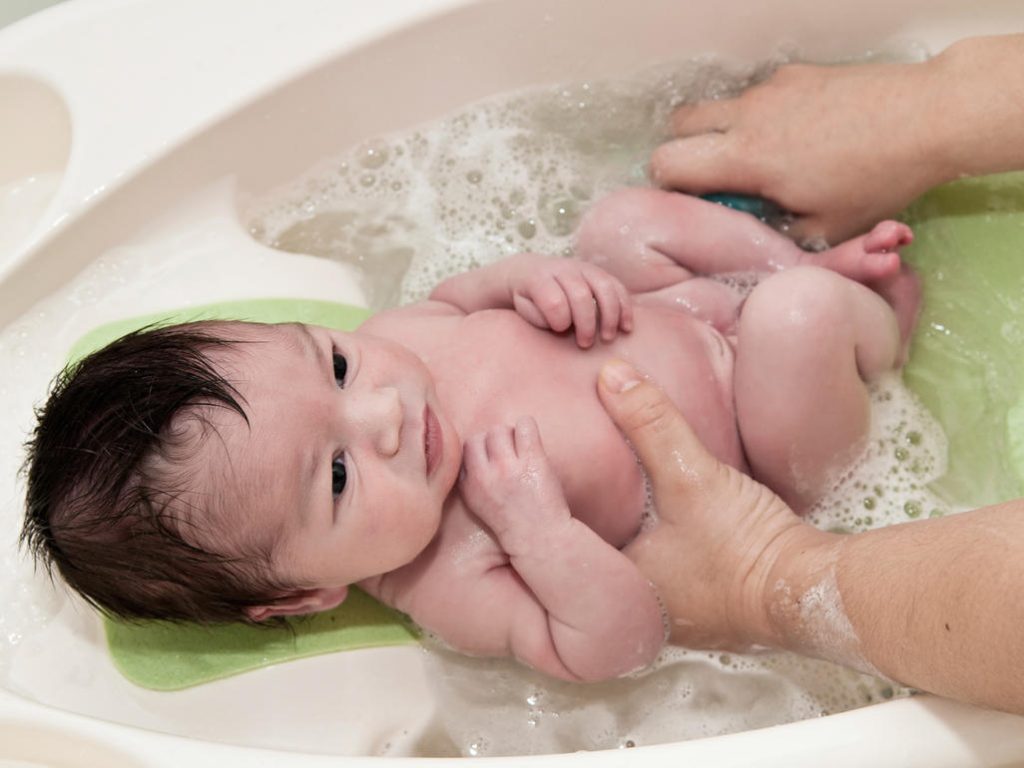
Bath safety is part of this calm. Keeping water temperatures consistent, using simple setups, and staying present during baths reduces stress. Bath time should feel contained, not chaotic.
Laundry and clutter can be major stressors. Creating a simple system — one hamper, one daily load, or designated laundry days — helps prevent pileups. Perfection isn’t required. Functional flow is enough.
When the home feels calmer, the nervous system follows.
How Home Types Shape Postpartum Routines
NYC and NJ homes vary widely — apartments, brownstones, walk-ups, shared buildings — and each brings unique postpartum challenges. Noise, stairs, limited storage, and shared spaces all influence routines.
Rather than fighting these realities, adapting to them builds resilience. White noise for street sounds, stroller-friendly storage near entrances, and simplified layouts reduce daily friction.
Your home doesn’t need to look a certain way to support motherhood. It needs to work for you. When routines align with your space, life feels more manageable.